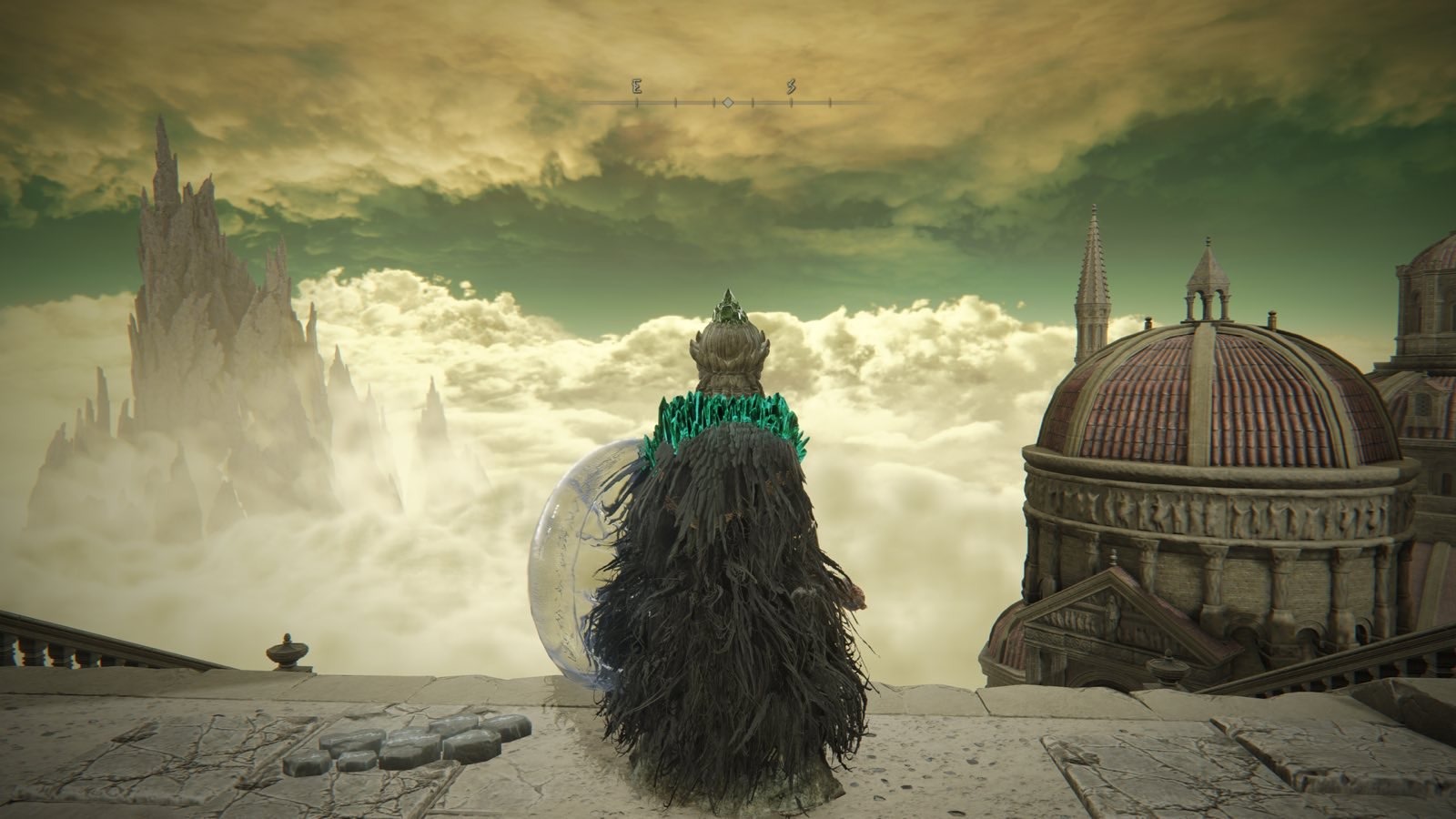
Settle in, Ashen Ones and Tarnished. Ranking FromSoftware's masterpieces is like choosing your favorite child. Here is our definitive ranking of every Soulsborne game, from Demon's Souls to Elden Ring.
Settle in, Ashen Ones and Tarnished. At VGC we know ranking FromSoftware's masterpieces is like choosing your favorite child. Tough, potentially controversial, but someone has to do it. The Soulsborne series (yes, I am including Elden Ring and Bloodborne) has redefined challenging gameplay and atmospheric storytelling. After the countless deaths and triumphant victories I encountered fueled by Estus Flasks, I have locked in my definitive rankings. Remember, this is my personal take, and every single one of these games is a gem in its own right. But distinctions must be made. Let's dive in, starting from the bottom and working our way up to the pinnacle of punishing perfection.
6. Demon's Souls (The OG That Started It All)
Let's pay respect where it is due. Demon's Souls (whether you played the PS3 original or the PS5 remake) laid the very foundation upon which this entire series was built. It introduced the core mechanics: the weighty combat, the cycle of death and learning, the cryptic lore, the huge boss battles, and that oh-so-satisfying feeling of overcoming impossible odds.
What I Liked: The atmosphere and level design is awesome. Boletarian Palace is iconic, and areas like the Tower of Latria are dripping with dread. The game was innovative introducing groundbreaking concepts like World Tendency, which dynamically changed the game world based on your actions and successes (or failures). Super cool, if a bit obtuse.
Why It Is Ranked Last: Compared to its successors, the movement and combat feel stiffer and less refined. Rolling is not quite as smooth, and certain mechanics feel dated. The remake fixed this, but I am talking about the original here. The Nexus hub linking separate Archstones feels less organic and interconnected than the world design seen in Dark Souls.
Demon's Souls is phenomenal, especially the remake which looks gorgeous, but it feels like a prototype. Its ideas were polished and expanded upon in later entries, placing it firmly, but respectfully, at the bottom of this list.
5. Dark Souls 2 (The Controversial Middle Child)
Ah, Dark Souls 2. No game in the series divides fans quite like this one. Overseen by a different director for much of its development (though Miyazaki supervised), it took some different design approaches, some brilliant, some less so. It is a massive game with tons of content, especially if you include the DLCs, which I thoroughly enjoyed.
What I Liked: Power Stancing (dual-wielding with unique move sets), broader magic viability, and tons of unique weapons made for arguably the best build variety and PvP scene in the series for a long time. One word: Majula. Easily one of the best hub worlds in gaming. That music and that view are pure melancholy beauty. The Crown DLC trilogy features some of the best level design and boss fights (Fume Knight, Sir Alonne, Ivory King) in the entire series.
Why It Is Ranked Lower: The world design of Drangleic feels less interconnected and thoughtfully laid out than Lordran (DS1) or Lothric (DS3). That infamous elevator ride from Earthen Peak to the Iron Keep still baffles me. Sometimes, the difficulty felt artificial, relying on throwing hordes of enemies at you rather than intricate placement.
Dark Souls 2 is a fantastic game with incredible depth, but its inconsistencies in world design and encounter philosophy hold it back from the top spots.
4. Dark Souls (The Legend That Changed Everything)
This is the game that took the Demon's Souls formula and truly brought it into the limelight, cementing FromSoftware as masters of the genre. Dark Souls is not just a game; it is a phenomenon. Its influence is still felt heavily across the industry today.
What I Liked: Lordran is arguably one of the most brilliantly interconnected game worlds ever created. Discovering shortcuts that loop back to Firelink Shrine after hours in the depths is pure genius. The lands of Anor Londo, the fight against Ornstein and Smough being a true skill check, Sif guarding Artorias' grave, the tension of Blighttown; the list of iconic moments is staggering.
Why It Is Not Higher: While the first half is near-perfect, areas like Lost Izalith and the Demon Ruins feel rushed and less polished. Four-directional rolling when locked-on feels restrictive compared to later titles. And finally, The Bed of Chaos might be the lamest boss in the entire series, period.
Dark Souls is legendary. Its impact is undeniable, and its world design remains a benchmark.
3. Elden Ring (The Open World Revolution)
Coming in at number three is the colossal achievement that is Elden Ring. FromSoftware took their signature style and blew it up into a breathtaking open world, capturing the imagination of more fans than any previous title.
What I Liked: Basically everything about The Lands Between. It is a vast, gorgeous, and dangerous open world filled with secrets, optional dungeons, and stunning vistas. The freedom and flexibility are unmatched. Tackle regions and bosses in almost any order. Torrent, the spirit steed, makes traversal feel great. The epic scale of bosses like Margit, Starscourge Radahn, and Malenia, Blade of Miquella, are spectacular cinematic events.
Why It Is Not Higher: While the world is amazing, some dungeons and bosses feel reused or less inspired, contributing to a feeling of repetition for some players deep into the game.
Elden Ring is a monumental achievement, successfully translating the Souls formula to an open world.
2. Dark Souls 3 (The Polished Pinnacle of Souls)
Just missing the top spot is the game that felt like the ultimate refinement of the classic Dark Souls formula: Dark Souls 3. It learned lessons from all its predecessors, blending the intricate level design callbacks of Dark Souls with faster, smoother combat inspired by Bloodborne, all wrapped in a gorgeous, gothic package.
What I Liked: Fast, fluid, and incredibly satisfying combat. The game has arguably one of the best rosters of bosses in the Dark Souls trilogy. Dancer of the Boreal Valley, Pontiff Sulyvahn, Abyss Watchers, Nameless King, Soul of Cinder, and that is before the DLCs. Speaking of the DLC, Ashes of Ariandel and especially The Ringed City are phenomenal expansions.
Why It Is Not Number 1: As incredible as DS3 is, it does not quite have the unique, transformative identity of our number one pick. It is the perfect Dark Souls game, but Bloodborne dared to be something thrillingly different.
1. Bloodborne (The Aggressive, Gothic Masterpiece)
A hunter must hunt. And Bloodborne hunted its way straight to the top of our list. Stepping away from the dark fantasy of Souls, Bloodborne plunged players into the plague-ridden, Lovecraftian nightmare city of Yharnam, and in doing so, created arguably FromSoftware's most stylish, atmospheric, and mechanically distinct title.
What I Liked: The aggressive combat and Regain system is peak. Shields are (mostly) out, replaced by firearms for parrying and an emphasis on dodging. Trick weapons are ingenious, offering deep movesets and incredible style. Yharnam is a character in itself. The blend of Victorian Gothic horror with cosmic, Lovecraftian dread is unlike anything else. Father Gascoigne, Ludwig the Accursed, Lady Maria, Orphan of Kos: all-time greats.
Why It Is Number 1: Bloodborne took the Souls foundation and forged its own unforgettable identity. Its mechanics actively shape a unique, high-octane playstyle. While all these games are masterpieces, Bloodborne's unique blend of atmosphere, breakneck combat, and unique weaponry creates an experience that feels utterly singular. Fear the Old Blood.
So there you have it, my official ranking of the Souls games. What do you think of Bloodborne taking the crown?
Tags
More Articles
Comments
No comments yet. Be the first to comment.