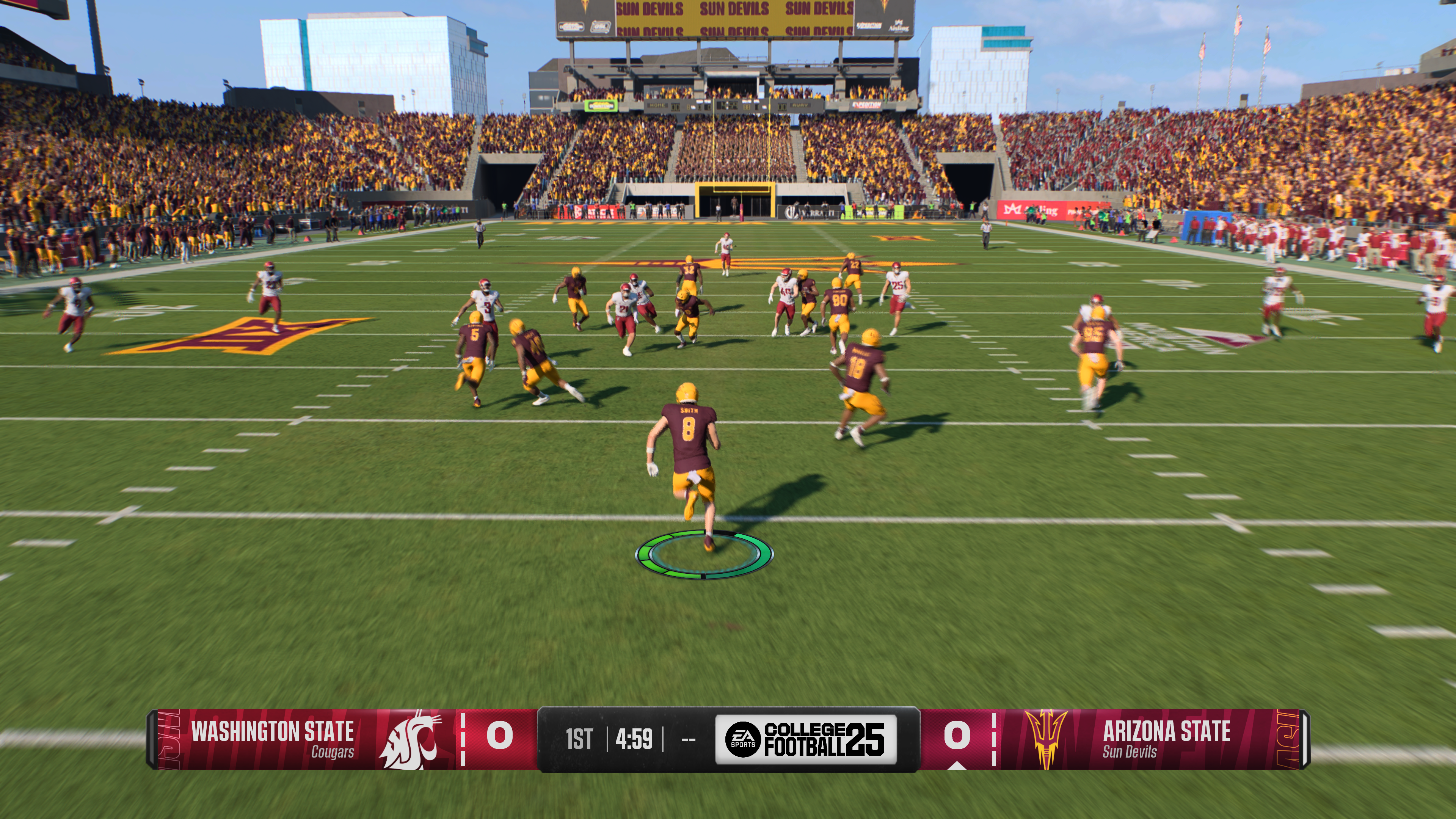
EA Sports is reportedly boosting the pay for college football players who agree to be in College Football 26, jumping from $600 to $1,500 per player. We dig into whether this is a real win for athletes or just window dressing on a much bigger debate about NIL and college sports.
It is definitely making waves: EA Sports is reportedly boosting the pay for college football players who agree to be in the next big game, College Football 26. The figure jumping from $600 to $1,500 per player is a significant headline. They are also throwing in a fancy version of the game and offering extra cash to certain players who help promote it. This whole situation feels like a big deal in the still-new world of college athletes getting paid for their Name, Image, and Likeness (NIL).
Looking at the good side, you have to admit, $1,500 feels a lot more respectful than $600. The previous game, College Football 25, was a massive hit, partly because it featured thousands of real players with nearly 11,000 of them, making the game feel authentic. That authenticity clearly has huge market value. So, this pay increase is a clearer acknowledgment that these athletes are not just numbers on a roster; their actual identities are a key ingredient driving sales. It is a concrete way the NIL rules are working, letting players get a slice of the pie when companies use their likeness. And think about the scale: EA is potentially putting over $16.5 million directly into the pockets of players across the country. For the vast majority of these athletes, who are not pulling down six-figure endorsement deals, that $1,500 is meaningful income earned directly from their participation in the sport.
But when you zoom out, the picture gets a bit fuzzier, and some legitimate questions pop up. Is $1,500 really fair compensation when stacked against the mountains of cash these blockbuster video games can generate? We are talking about one of the best-selling sports games ever. A flat fee, even a higher one, might still represent only a tiny fraction of the profit EA earns because those players are included. It raises that classic question: who is really capturing the value created here? The fact that the group negotiating for the players, OneTeam Partners, is apparently still pushing for the possibility of royalties (meaning players would get a percentage based on game sales) suggests that even they might feel a flat fee does not fully reflect the players' contribution.
Then there is the wrinkle about extra promotional money. While the $1,500 base seems equal, offering additional deals for marketing appearances could easily create another layer of inequality. The star quarterback or the player with a huge social media following might snag extra promotional cash from EA, while their teammates just get the base $1,500. It mirrors the broader NIL landscape where opportunities are not always evenly distributed.
And stepping back even further, every move like this chips away a bit more at the old idea of amateurism in college sports. Paying thousands of players directly to appear in a commercial product makes college football look and feel more professional than ever. It fuels the ongoing, sometimes heated, debate about what college sports should be.
Final thoughts: Giving players a bigger check for being in the game is undeniably a positive development compared to where things were. It puts real money in the hands of thousands of student-athletes. But it is not a simple, perfect solution. It forces us to keep asking tough questions about what fair pay truly looks like in this context, whether these deals create new kinds of financial gaps between players, and how all this commercial activity is fundamentally changing the nature of college sports. It is progress, maybe, but the conversation about getting it right is far from finished.
The specifics about the pay increase, player numbers, total payout, and ongoing talks mentioned here come from a Reuters report dated March 19, 2025.
Source
Tags
More Articles

Comments
No comments yet. Be the first to comment.